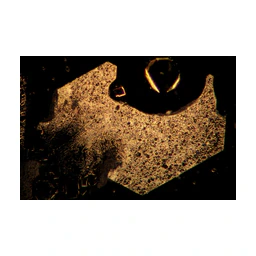
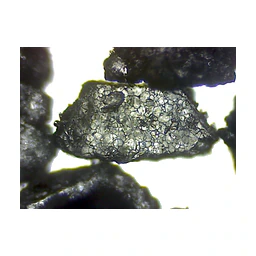
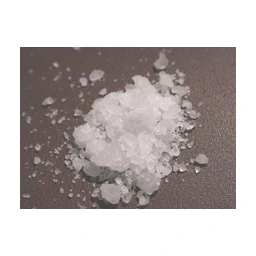
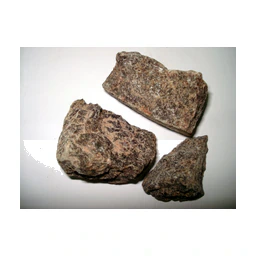
Selected salt
Choose a card
Minerals per 100 g and notes fill this panel for the salt you pick.
Free directory · fisagency
A growth studio reference for vegan and ethical brands. Sodium and minerals per 100 g when a published food record matches this list.
Loading the salts list…
Selected salt
Minerals per 100 g and notes fill this panel for the salt you pick.
Sodium, potassium, calcium, iron, and iodine per 100 g when the cited food record publishes them.
Scroll sideways for potassium, calcium, iron, and iodine.
| Salt | Sodium mg / 100 g | Potassium mg / 100 g | Calcium mg / 100 g | Iron mg / 100 g | Iodine mcg / 100 g |
|---|
Per 100 g. Table amounts use 100 g unless the cited label used another reference amount and we scaled it.
Blanks. A dash means the food record omitted that mineral or no row matched this salt on the audit.
Teaspoons. Crystal size changes density. Compare labels when you need kitchen measures.
Friendly links for the numbers and context on this free fisagency directory.
Machine-readable cited list: salts.json. Card photo credits: photos/sources.json. Related directories: Longevity produce and Water bottles.
No. It lists published sodium and mineral figures. Your total diet and sodium from all foods matter more than the crystal on the shaker.
Blanks mean no matching food record on this audit, or the cited row omitted that mineral. Values are not copied from table salt.
Nutrients are per 100 g on the food record linked in the detail panel. Branded labels scaled to 100 g are noted there. Missing numbers stay blank.